
1. Introduction
Lactic acid is one of the most important organic acids used in food, pharmaceutical, cosmetic, and industrial applications. Its salts—commonly known as lactates—are widely used as buffering agents, mineral supplements, preservatives, and functional ingredients.
Chemically, lactic acid is a hydroxycarboxylic acid with the formula:
C₃H₆O₃
Structure: CH₃–CHOH–COOH
IUPAC name: 2-hydroxypropanoic acid
It exists in two optical isomers:
-
L-(+)-lactic acid
-
D-(–)-lactic acid
The L-form is biologically active and commonly produced by fermentation.
2. Production of Lactic Acid
A. Fermentation Process (Most Common)
Raw materials:
-
Glucose
-
Sucrose
-
Corn starch
-
Molasses
Microorganisms used:
-
Lactobacillus species
-
Bacillus species
Basic steps:
-
Fermentation of carbohydrate substrate
-
Neutralization (usually with CaCO₃ or NaOH)
-
Filtration
-
Acidification
-
Purification (carbon treatment, ion exchange)
-
Concentration
This method yields high-purity food and pharma grade lactic acid.
B. Chemical Synthesis (Less Common)
Via acetaldehyde and hydrogen cyanide (historical method), but fermentation dominates due to sustainability and optical purity.
3. Physical and Chemical Properties
| Property | Value |
|---|---|
| Molecular Weight | 90.08 g/mol |
| Appearance | Clear, colorless to pale yellow liquid |
| Solubility | Miscible with water |
| pKa | 3.86 |
| Boiling Point | ~122°C (decomposes) |
Lactic acid is hygroscopic and forms oligomers at high concentration.
4. Lactic Acid Salts (Lactates)
Lactic acid reacts with metals and bases to form lactate salts, which improve stability and usability in different formulations.
4.1 Sodium Lactate (C₃H₅NaO₃)
-
Usually available as 50–60% solution
-
Used as:
-
Food preservative (E325)
-
pH regulator
-
Injectable solution component
-
Cosmetic humectant
-
Applications:
-
Meat preservation
-
IV fluids
-
Skincare formulations
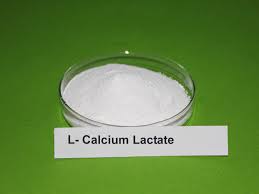
4.2 Calcium Lactate (C₆H₁₀CaO₆)
-
White crystalline powder
-
Used as:
-
Calcium supplement
-
Firming agent in foods
-
Baking powder component (E327)
-
Advantages:
-
Good bioavailability
-
Mild taste
-
Non-hygroscopic
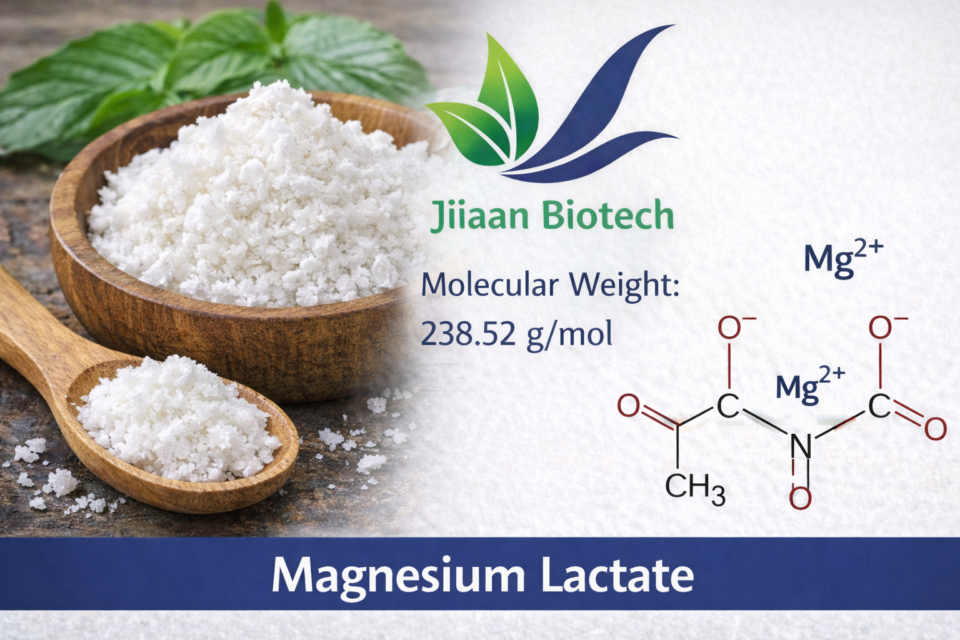
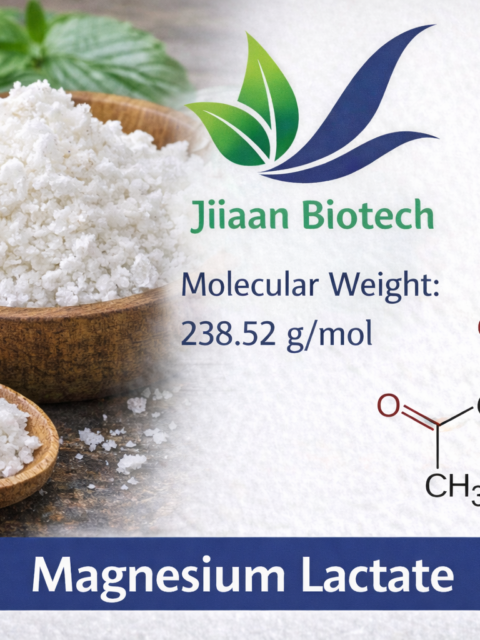
4.3 Magnesium Lactate (C₆H₁₀MgO₆)
-
Used as magnesium supplement
-
High absorption rate
-
Gentle on stomach
Applications:
-
Nutraceutical tablets
-
Mineral premixes
-
Pharmaceutical formulations
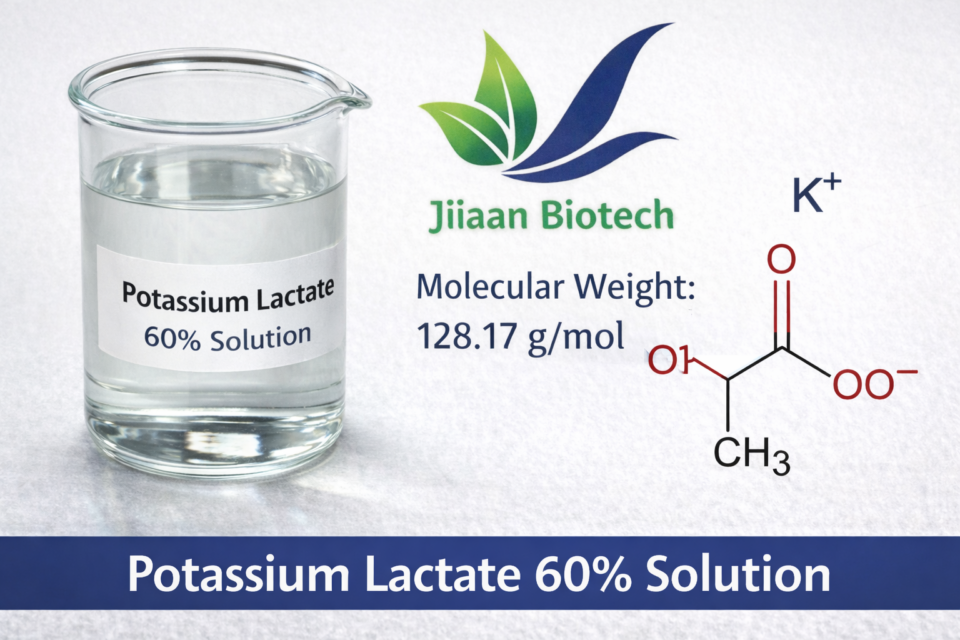
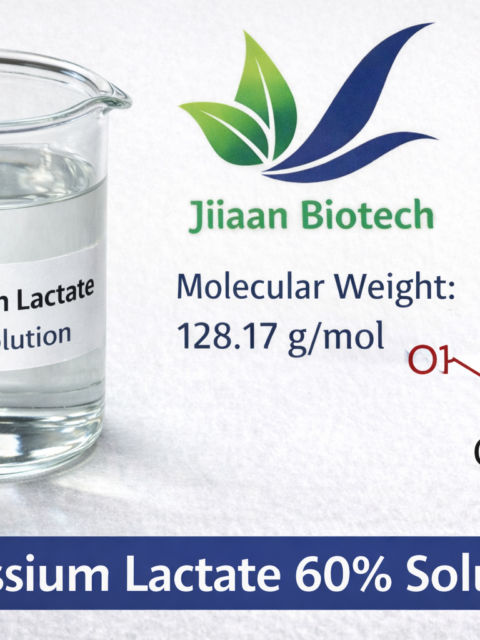
4.4 Potassium Lactate (C₃H₅KO₃)
-
Strong antimicrobial activity
-
Used in:
-
Processed meat preservation
-
Sodium reduction formulations
-
Acts as sodium replacer in low-salt foods.
4.5 Ferrous Lactate (C₆H₁₀FeO₆)
-
Light green crystalline powder
-
Used as iron supplement
-
Food fortification agent
Advantages:
-
Better tolerance compared to ferrous sulfate
-
Reduced gastric irritation
4.6 Copper Lactate
-
Trace mineral supplement
-
Used in animal nutrition
-
Specialty pharmaceutical applications
4.7 Manganese Lactate
-
Micronutrient source
-
Used in animal feed
-
Agricultural micronutrient formulations
5. Industrial Applications of Lactic Acid
A. Food Industry
-
Acidulant
-
Preservative
-
Flavor enhancer
-
Dough conditioner
B. Pharmaceutical Industry
-
IV solutions
-
Mineral supplements
-
Effervescent formulations
-
Injectable calcium/magnesium lactates
C. Cosmetics
-
pH adjuster
-
Moisturizer
-
Chemical exfoliant (AHA)
D. Bioplastics
Lactic acid is the precursor of:
Polylactic Acid (PLA)
PLA is biodegradable and widely used in:
-
Packaging
-
Medical implants
-
3D printing
6. Advantages of Lactate Salts
-
High bioavailability
-
Better gastrointestinal tolerance
-
Mild taste
-
Stable and safe
-
GRAS status (many lactates)
7. Market Trends
Global demand is increasing due to:
-
Growth of biodegradable plastics
-
Rising nutraceutical market
-
Clean-label food preservatives
-
Expansion of plant-based foods
Asia-Pacific dominates production due to fermentation infrastructure and corn availability.
8. Conclusion
Lactic acid and its salts represent a highly versatile family of compounds used across food, pharma, cosmetics, agriculture, and polymer industries. With increasing demand for sustainable and bio-based chemicals, lactic acid continues to grow as a key platform molecule for green chemistry and advanced materials.
Lactic Acid and Lactate Salts Manufacturer & Exporter – Jiaan Biotech
Premium Quality Lactic Acid & Mineral Lactates
Jiaan Biotech is a leading manufacturer and exporter of high-purity Lactic Acid and Lactate Salts for food, pharmaceutical, nutraceutical, cosmetic, and industrial applications.
Our product range includes:
-
Lactic Acid 80%, 85%, 88%, 90%
-
Sodium Lactate (50–60% Solution)
-
Calcium Lactate
-
Magnesium Lactate
-
Potassium Lactate
-
Ferrous Lactate
-
Manganese Lactate
-
Copper Lactate
What is Lactic Acid?
Lactic Acid (C₃H₆O₃) is a naturally occurring organic acid produced through controlled fermentation of carbohydrates. It is widely used as:
-
Food acidulant
-
Preservative
-
pH regulator
-
Bioplastic raw material (PLA)
-
Pharmaceutical intermediate
Our Lactate Salts Portfolio
Sodium Lactate
-
Food preservative (E325)
-
Humectant
-
IV formulation ingredient
Calcium Lactate
-
Calcium supplement
-
Food fortification agent (E327)
-
Effervescent formulations
Magnesium Lactate
-
High bioavailability magnesium source
-
Used in tablets and capsules
Potassium Lactate
-
Sodium reduction alternative
-
Meat preservation
Ferrous Lactate
-
Iron supplement
-
Food fortification
Manganese & Copper Lactate
-
Trace mineral nutrition
-
Animal feed & specialty formulations
Why Choose Jiaan Biotech?
✔ High Purity
✔ Export Grade Quality
✔ Competitive Pricing
✔ Custom Packing Options
✔ COA, MSDS, TDS Available
✔ Bulk & Private Label Supply
I am text block. Click edit button to change this text. Lorem ipsum dolor sit amet, consectetur adipiscing elit. Ut elit tellus, luctus nec ullamcorper mattis, pulvinar dapibus leo.
I am text block. Click edit button to change this text. Lorem ipsum dolor sit amet, consectetur adipiscing elit. Ut elit tellus, luctus nec ullamcorper mattis, pulvinar dapibus leo.